
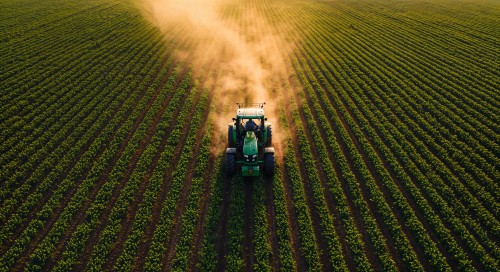
China is setting its sights on a new phase of agricultural and rural development with the unveiling of a comprehensive five-year plan by the State Council. The plan, scheduled to unfold from 2026 to 2030, underscores the country’s commitment to bolstering food security, enhancing agricultural productivity, and elevating living standards in rural communities. This strategic blueprint is designed to align with China’s overarching modernization ambitions, aiming for a robust agricultural sector that is both competitive and sustainable by 2030.
Key elements of the plan include a significant increase in grain production capacity, targeting approximately 725 million tonnes by 2030. Ensuring the quality and safety of agricultural products is another priority, with goals set for maintaining a pass rate of at least 98 percent in routine inspections. The plan also outlines objectives for meat production, green agricultural practices, rural sewage management, technological advancements, and boosting farmers’ incomes. These measures collectively aim to meet the rising consumer demand for healthier and higher-quality agricultural products.
Grounded in a vision of transforming agriculture into a more advanced and sustainable industry, the plan emphasizes the importance of balancing urban and rural development. It calls for increased investment in agricultural science and technology, adoption of modern farming techniques, and expansion of high-standard farmland. Additionally, the plan highlights the need to develop cold-chain logistics infrastructure and encourages the integration of artificial intelligence into agricultural processes. Modernizing the processing of agricultural products and promoting environmentally-friendly farming practices are also integral components of this strategy.
Emerging sectors such as intelligent breeding technologies, new-energy agricultural machinery, and innovative food production are poised for growth under this plan. Other focal areas include low-altitude agricultural applications and agricultural bio-manufacturing, which are expected to drive technological progress in the sector. This builds on recent advances, where agricultural technology has accounted for over 64 percent of development, with a goal to increase this contribution to 67 percent by the end of the decade. Notably, China’s grain output in 2025 reached nearly 715 million tonnes, marking the second consecutive year of surpassing 700 million tonnes, setting a strong foundation for future goals.