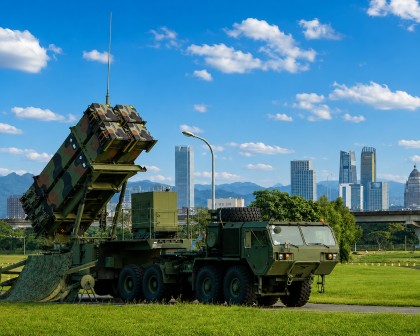
The United States has put a temporary hold on arms sales to Taiwan as it reallocates military resources to address ongoing operations related to the conflict with Iran, stated acting Navy Secretary Hung Cao during a recent congressional hearing. He explained that the suspension is a measure to conserve munitions for U.S. military activities and assured that the foreign military sales program would resume as soon as the administration deems it fitting.
This hold-up impacts a significant arms package intended for Taiwan, which has been pending approval for several months. The ultimate decision on the resumption of these sales lies with senior administration figures, notably Secretary of State Marco Rubio and Defense Secretary Pete Hegseth. Meanwhile, Taiwan’s presidential office reported not receiving official communication regarding any changes to the proposed arms deal, though the news has sparked concern in Taipei, especially in light of recent discussions between U.S. President Donald Trump and Chinese President Xi Jinping, where the topic of Taiwan was reportedly significant.
China continues to firmly oppose U.S. arms sales to Taiwan, considering the island part of its territory. Beijing has consistently cautioned against foreign support for Taiwan and has not discounted the possibility of using force to assert its claims. In this context, the suspension of the arms deal adds a layer of tension to the already delicate situation.
Furthermore, recent statements by President Trump have added to the ambiguity surrounding future U.S. support for Taiwan. He has described the arms packages as possible leverage in negotiations with China, suggesting a decision on the pending sales might be made later. Despite these uncertainties, the U.S. is committed under the Taiwan Relations Act to provide Taiwan with the necessary defensive military equipment.