
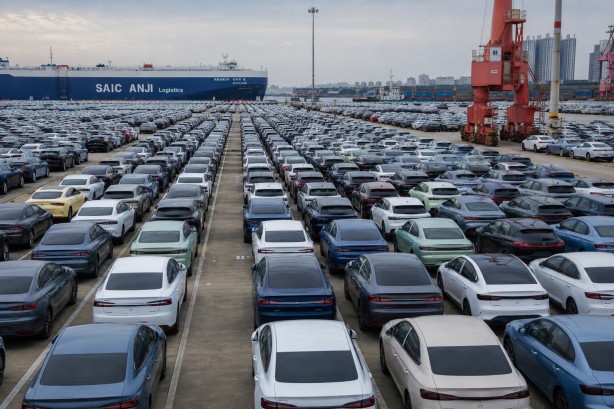
In recent years, China has emerged as the dominant force in the global electric vehicle (EV) market, driving substantial growth among its leading companies and significantly impacting the worldwide automotive landscape. This swift expansion, while impressive, has raised issues concerning potential overproduction and heightened competition within the sector.
The past ten years have seen a surge of government incentives, local investments, and robust consumer interest, prompting a multitude of firms to venture into the EV industry. This approach has not only propelled some Chinese automakers to the forefront of success but also bolstered the nation’s standing in battery technology and eco-friendly transport solutions.
Nonetheless, the rapid pace at which the industry has expanded has, in some instances, exceeded market demand. Many automotive manufacturers have constructed facilities with capabilities far surpassing current market requirements, resulting in price wars and financial strain across the industry. This has intensified competition as companies lower prices to lure customers and secure market share, with smaller firms struggling to compete against their larger, more resourceful counterparts who continue to invest heavily in technology, production, and international ventures.
Chinese authorities have recently expressed apprehension over potential overcapacity, cautioning against unchecked growth that might pose economic risks. Industry experts highlight the necessity of reconciling innovation and competition with the need for sustainable development over the long term.
Despite these challenges, China maintains its position as the global leader in the electric vehicle arena. Its manufacturers are extending their reach into international markets, playing a pivotal role in shaping the future of transportation.