
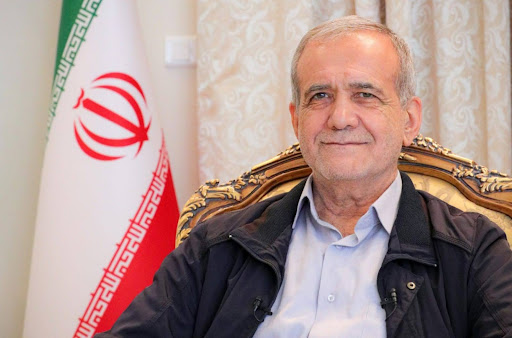
Iranian President Masoud Pezeshkian has issued the most direct warning yet to Gulf states over their hosting of US and Israeli military operations, explicitly linking this practice to the loss of their own security and development prospects. The warning came as the conflict between Iran and the United States crossed the one-month mark. Tehran’s escalating diplomatic pressure on Gulf nations signals a new phase in the conflict’s regional dimensions.
Gulf nations including Saudi Arabia, the UAE, Kuwait, Qatar, and Oman have been deeply affected by the war due to their hosting of American military infrastructure. Strikes on Iran have been launched from these countries, which have subsequently been targeted by Iranian retaliatory attacks. The cumulative toll on Gulf infrastructure and political stability has been substantial.
On X, Pezeshkian stated clearly that Iran’s military doctrine is defensive but that retaliation for attacks on Iranian infrastructure or economic centres would be powerful and certain. He directed a firm appeal to Gulf leaders, warning them that hosting enemy forces was a direct threat to their own futures. The statement was among the starkest the Iranian president has made since the war began.
Pakistan’s diplomatic initiative has continued to gain momentum, with Prime Minister Shehbaz Sharif maintaining active engagement with Iranian leadership and other regional parties. Sharif’s discussions with Pezeshkian revealed that Iran views trust as the foundational requirement for any meaningful peace talks. Pakistan’s approach has been praised by Tehran, reinforcing Islamabad’s standing as a credible peacemaker.
In Pakistan, a significant diplomatic gathering is underway with foreign ministers of Saudi Arabia, Egypt, and Turkey in attendance. Their meetings with Pakistani Foreign Minister Ishaq Dar and Prime Minister Sharif are focused on strategies for de-escalation. The talks are being watched closely as a key moment in the international effort to halt the conflict before it causes further damage.