
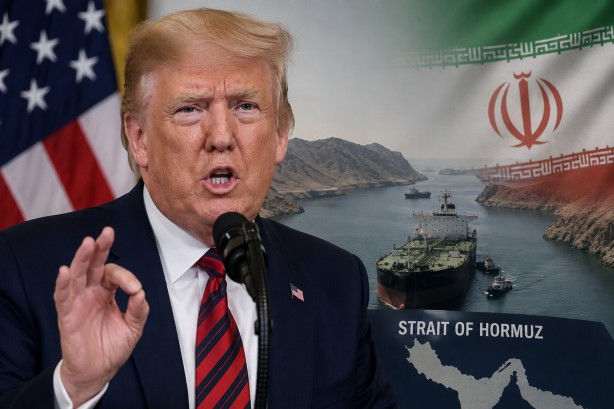
In a tense development in the Gulf region, Iran has issued a stern warning to its neighboring states, cautioning that any fresh military action by the United States on Iranian soil could result in retaliatory strikes targeting the Gulf’s vital energy infrastructure. This warning comes amid escalating tensions and was conveyed by Iranian Foreign Minister Abbas Araqchi during discussions with high-ranking officials from Saudi Arabia, Qatar, Turkey, and Pakistan. Araqchi’s message was clear: he urged these countries to use their influence to dissuade Washington from further military aggression, emphasizing the dire consequences that could follow.
This diplomatic maneuver follows recent statements from US President Donald Trump, who has threatened to focus on Iran’s energy infrastructure. Despite the aggressive rhetoric, Iran has maintained that it prefers diplomatic solutions but remains ready to respond if provoked. Saudi Arabia, playing a pivotal role in the region, has reportedly advocated for negotiations and underscored the importance of avoiding an escalation that could destabilize the area while also preparing to defend its own borders if necessary.
The potential fallout from any US military strike is particularly concerning for the Gulf’s energy sector. Iran’s warning included the possibility of targeting critical infrastructure such as oil facilities, refineries, power grids, and transport networks. Such actions could severely disrupt energy supplies, affecting global markets and increasing the risk of wider regional instability. The situation has placed significant pressure on regional leaders to find a diplomatic resolution before the conflict spirals out of control.
Amid these heightened tensions, countries in the Gulf are pushing for dialogue and peaceful resolution to avoid a broader confrontation. The stakes are high, as any conflict could lead to significant disruptions in the energy markets, impacting not only the region but the world at large. The current diplomatic efforts aim to prevent a crisis that could have far-reaching implications beyond the immediate geopolitical landscape.