
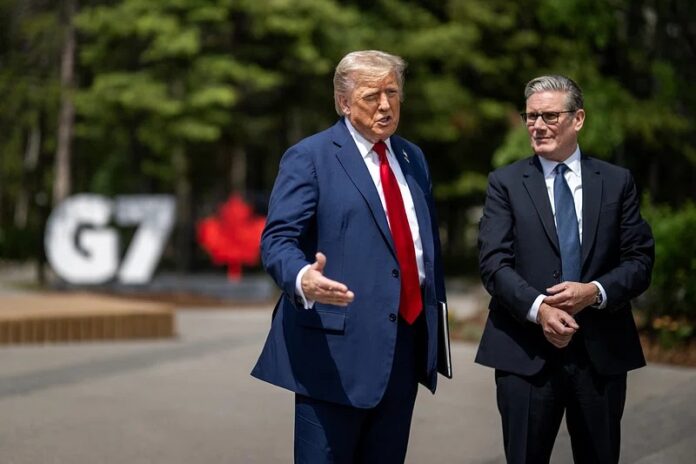
The phrase “special relationship” has long described the bond between the United States and the United Kingdom — a connection built on shared history, cultural ties, and mutual strategic interest. But the Iran conflict tested that relationship in ways that were uncomfortable for both sides, exposing the limits of even the most enduring alliances.
Britain’s initial refusal to allow American forces to use its bases for operations against Iran was not a casual decision. It reflected genuine political tensions within the governing Labour Party, where many members were deeply sceptical of involvement in a conflict they had not sought and did not endorse. The prime minister found himself caught between competing pressures.
The American reaction was swift and sharp. The president used his social media platform to deliver a pointed rebuke, drawing attention to Britain’s hesitation and implying that such delays had consequences for the relationship. His words were followed by similar themes from the secretary of state, who praised loyal allies and implicitly criticised those who had wavered.
When Britain did grant access — limited in scope and framed in defensive terms — American bombers arrived at a British base and began operations within the same weekend. The speed of the deployment suggested that operational preparations had been made well in advance, regardless of the diplomatic delays.
The question now hanging over Westminster was what the episode meant for the long-term health of the alliance. Whether the relationship was merely strained or more fundamentally altered by the episode remained the subject of considerable debate on both sides of the Atlantic.